
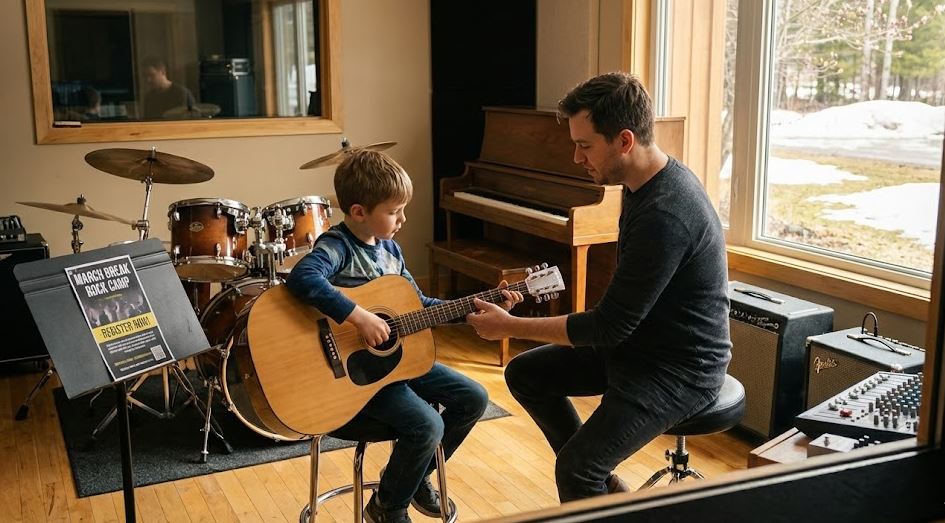
March Break arrives with the promise of rest, fun, and freedom from routine. For many families, though, it quickly turns into a week dominated by screens. Tablets, gaming consoles, and streaming services become the default entertainment. While a little downtime is healthy, too much passive screen time often leaves kids feeling restless, irritable, and disconnected by the time school resumes.
Did you know? At Capstone Music in Burlington, March Break is one of the most popular times for families to introduce children to music lessons, giving them a creative outlet that builds confidence and focus long after the break ends. Check out our March Break Rock Shop program or sign up for lessons today!
What if this year’s March Break became something more than just a pause from school? What if it became the beginning of a skill, a passion, or even a lifelong love of music?
The Screen-Time Cycle
Screens are designed to be absorbing. They offer instant gratification with minimal effort. During school breaks, it’s easy for daily limits to blur: mornings turn into afternoons on YouTube, evenings into gaming marathons. By the end of the week, many parents notice:
-
Shorter attention spans
-
Increased irritability
-
Difficulty transitioning back to routines
-
A lack of motivation for school
This doesn’t mean screens are “bad,” but they rarely provide the sense of progress or accomplishment that comes from learning something new. Kids may be entertained, but they aren’t truly engaged. Setting healthy screen time limits is important for the well being of children.
Why Music Is Different
Learning music activates the brain in ways few other activities do. It blends:
-
Cognitive skill (reading, memory, pattern recognition)
-
Physical coordination (hands, posture, breath)
-
Emotional expression (creativity, confidence)
According to research summarized by the American Psychological Association, music education is associated with improvements in attention, executive function, and academic performance. Explore how music can be medicine!
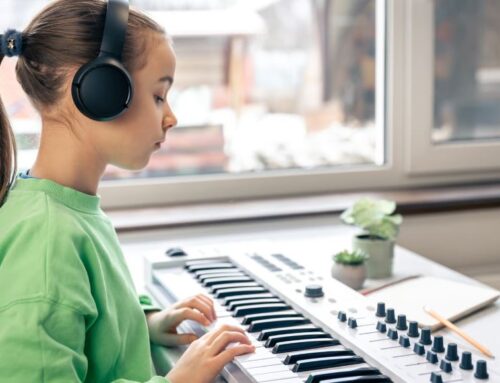
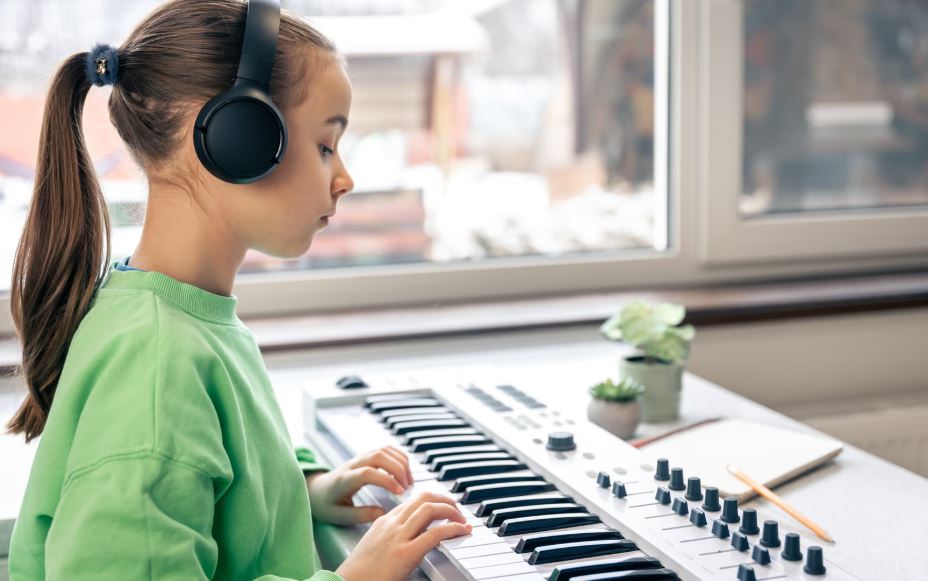
Unlike passive screen use, music invites participation. Every note played is feedback. Every practice session builds something tangible. Children see progress, and that progress becomes motivating.
March Break: A Natural Starting Point
March Break is uniquely suited for trying something new:
-
There’s no school-day pressure
-
Kids have time and mental space
-
Parents are already looking for structure
-
Families are open to “reset” routines
Starting music during a break removes the stress of squeezing something new into an already-packed school week. Children can explore at a relaxed pace. They can make mistakes, experiment, and begin forming habits before life speeds up again.
By the time classes resume, music lessons aren’t “another thing” added to the calendar—they’re already part of the rhythm of the week.
More Than a Hobby
Music offers benefits that ripple outward:
Focus and Discipline
Practicing an instrument teaches delayed gratification. Progress isn’t instant. Kids learn that effort over time creates results.
Confidence
Mastering even a simple song gives a powerful sense of achievement. That confidence often carries into school and social situations.
Emotional Regulation
Music becomes an outlet. Children learn how to express feelings, release stress, and self-soothe through sound.
Social Connection
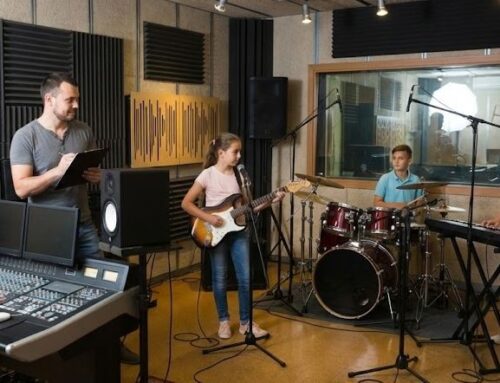
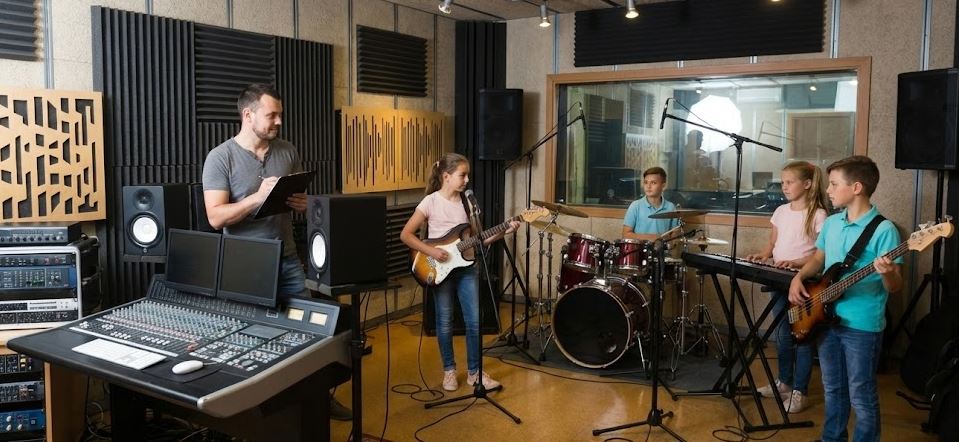
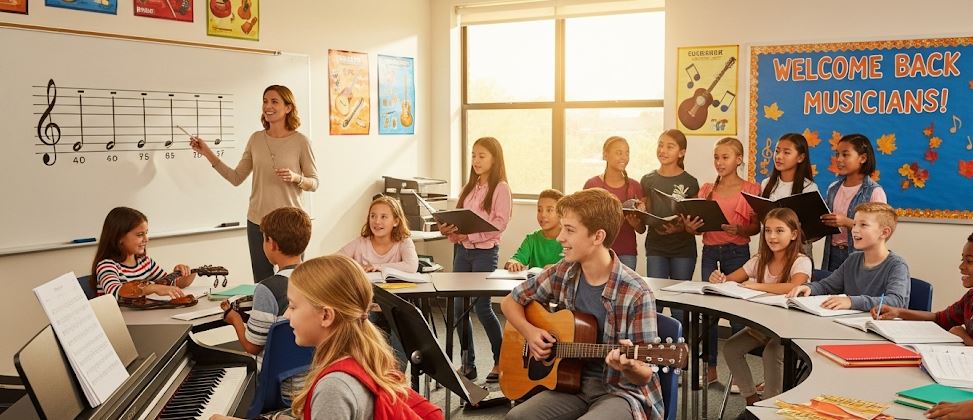
Ensembles, bands, and group lessons build teamwork and communication in ways screens cannot.
These skills don’t fade when the instrument is put away. They become part of how a child approaches challenges.
Replacing, Not Removing
Choosing music doesn’t require banning screens. It simply changes the balance. Instead of hours disappearing into digital loops, part of the day is spent creating something real. Kids still relax. They still have fun. But they also build a sense of agency—“I can do this.”
Parents often notice that when a child has something meaningful to work on, screen time naturally decreases. It becomes one option among many, not the default.
Making the Transition Easy
For many families, the biggest hesitation is not interest—it’s uncertainty:
-
Will my child stick with it?
-
What instrument should they try?
-
What if they’re not “musical”?
The truth is, musical ability isn’t a trait you either have or don’t. It’s a skill that develops with guidance and encouragement. March Break is ideal because it allows exploration without pressure. Children can try an instrument, meet an instructor, and experience what lessons feel like before committing long-term.
Even a short introduction can reveal hidden interest. Many lifelong musicians began simply because someone gave them the chance to try.
Setting Up a Strong Spring
When March Break ends, routines return. Homework, practices, and responsibilities fill the week. Starting music during the break means your child enters spring with:
-
A new skill in progress
-
A reason to practice focus
-
A creative outlet already in place
-
A sense of forward momentum
Instead of feeling like the break “disappeared,” families often feel it marked the beginning of something meaningful.
Choosing Growth Over Glow
Screens glow. They captivate. They entertain. But they rarely build. Music does. It grows with your child. It challenges them, supports them, and reflects their effort back to them.
March Break doesn’t have to be something to recover from. It can be something to build on. Choosing music transforms a week off into a starting line—one that leads far beyond the calendar.
To explore how music lessons can become part of your child’s routine this spring, visit Capstone Music in Burlington and discover programs designed to inspire, support, and grow young musicians.