
If your child has shown interest in piano, one of the first questions most parents ask is simple: what should we buy? An acoustic piano can feel like the “proper” choice, but it’s expensive and takes up a lot of space. A basic keyboard is affordable and portable, but some models can actually make learning harder than it needs to be.
The good news is you don’t need to overthink it—or overspend. With a few practical guidelines, you can choose a beginner-friendly instrument that supports good technique, keeps motivation high, and works well alongside lessons.
Did you know? Capstone Music offers private piano instruction for kids, teens, and adults in Burlington. If you’re deciding between a keyboard and a digital piano (or wondering what features matter most), their teachers can help you match the right instrument to your child’s age and goals through their piano lessons in Burlington.
Keyboard vs digital piano: what’s the difference?
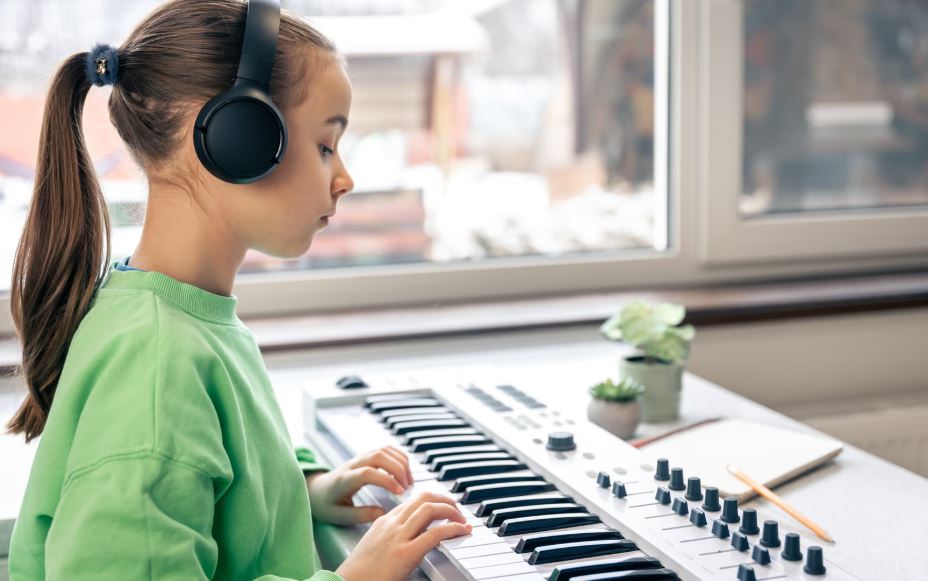
Parents often use “keyboard” and “digital piano” interchangeably, but the learning experience can be very different. In general, keyboards are lighter, more portable, and often include lots of sounds and rhythms. Digital pianos are designed to feel closer to an acoustic piano, with full-size keys and a more realistic touch that supports technique from day one.
If your child is starting lessons with the goal of learning piano (not just pressing keys for fun sounds), a digital piano is often the smoother path because it helps develop finger strength, control, and musical expression earlier.
The 5 features that matter most for beginners
When shopping, you’ll see endless specs and marketing claims. For beginners, these five features have the biggest impact on learning quality and long-term usefulness.
1) Full-size keys
Start here. Full-size keys make it easier to learn hand position and transition to any other piano later. Mini keys can be convenient for travel, but they can frustrate beginners because spacing and reach feel different than a standard piano.
2) Enough keys (88 is ideal; 76 can work)
An acoustic piano has 88 keys. Many beginner pieces fit comfortably on 76 keys, but 88 keys gives your child room to grow without outgrowing the instrument quickly—especially as they progress to broader ranges and more complex songs.
3) Touch sensitivity (velocity sensitivity)
This means the instrument responds differently depending on how softly or firmly your child plays. It’s important because it teaches control and expression. Without touch sensitivity, everything sounds the same no matter how your child plays, which can slow musical development and make playing feel flat.
4) Weighted or semi-weighted keys
Weighted keys help develop finger strength and technique that transfers to acoustic piano. For most students taking lessons, this is one of the best “value upgrades” you can make because it supports proper mechanics and reduces the chance your child forms habits that have to be unlearned later.
5) Sustain pedal input
Even if your child isn’t using a pedal right away, many beginner and intermediate pieces eventually incorporate sustain. Having a pedal input (and ideally a real pedal you can plug in) prevents limitations later and makes pieces sound more musical as skills grow.
If you want a quick manufacturer explainer on the differences between keyboards and digital pianos, Yamaha provides a clear overview here: Keyboard vs digital piano (Yamaha).
A simple “good / better / best” way to choose
Here’s a realistic approach that helps you decide without getting stuck comparing 30 models online. The goal is not “perfect.” It’s “supports learning and fits your household.”
Good: budget keyboard (short-term starter)
This can work if you’re testing interest for a couple of months. If you go this route, prioritize full-size keys and touch sensitivity at minimum. Just know that many budget keyboards have a very light touch and limited dynamics, which can make it harder to build technique.
Better: entry-level digital piano (best overall starting point)
For many families, this is the sweet spot. You typically get full-size keys, better sound, and a more piano-like response. Lessons feel easier, progress often comes faster, and kids tend to stay more engaged because the instrument feels “real.”
Best: digital piano with strong key action + stable stand and bench
This is ideal when your child is motivated and practicing consistently, or when you already know piano will be a longer-term pursuit. A stable setup improves posture and comfort, which matters more than people expect once practice becomes routine.
Don’t overlook the setup: bench height and posture matter
Even a great instrument can become frustrating if the setup is uncomfortable. Good posture supports better technique and reduces strain—especially as practice time increases.
A helpful baseline is sitting tall with relaxed shoulders, with forearms roughly parallel to the floor when hands are on the keys. If your child’s feet don’t reach the ground comfortably, a small footstool can help them feel stable and in control.
How the right instrument makes lessons easier
Great teachers can adapt to many setups, but certain features make learning smoother. With weighted keys and touch sensitivity, teachers can introduce dynamics and expression earlier, and students learn to control sound—not just “find the notes.” That can be the difference between a child who feels stuck and a child who feels progress week to week.
Just as importantly, an instrument that sounds good and responds well often makes kids want to play. Motivation is one of the biggest predictors of success, and your setup can either support that… or quietly work against it.
When should you upgrade?
Many families start with what they have and upgrade later—and that can be totally fine. Here are clear signs an upgrade might be worth it:
- Your child is practicing consistently and progressing quickly.
- They’re learning pieces that require more keys than the instrument has.
- They struggle to play with expression because the keys don’t respond well.
- The instrument feels “toy-like,” and motivation is dropping.
If you’re unsure whether the instrument is holding your child back, ask your teacher what they’re noticing. A quick conversation can save you from buying the wrong “upgrade” or upgrading too early.
Choosing a first instrument your child won’t outgrow immediately
The goal isn’t to buy the most expensive option. It’s to buy the option that supports good learning habits and leaves room for progress. For many beginners taking lessons, a basic digital piano with weighted keys and touch sensitivity offers the best balance of value, technique support, and longevity.
If you’d like guidance tailored to your child’s age, learning style, and musical interests, you can reach out through the Capstone Music contact page and ask what beginner setup our teachers recommend.